

Over the last few years, there has been a lot of news about a new idea called “bee lawns.” A bee lawn is a beautiful solution if you want to keep a lawn space, but also allow space for bees to collect nectar and spread their pollinator power. Here, we’ll discuss bee lawns and why they’re so helpful...but before we can do that, we have to first take a look at traditional lawns.
Too much lawn
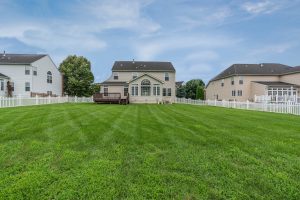 The total area of lawns in the United States is estimated to be between the size of Kentucky and Texas; either way, the amount of acreage dedicated to lawns is more than the acreage dedicated to irrigated corn, wheat, and fruit trees...combined!
Any way you look at it: we have too much lawn.
To get an idea of the amount of water it takes to keep all of this lawn hydrated, imagine an area the size of Wisconsin. Now picture it covered in a foot of water, equal to 60,000,000 square miles of foot-deep water. This is an astounding amount of water to use on something that is purely a decorative status symbol.
Aside from the tremendous volume of irrigated water used to maintain lawns, there is also a wealth of herbicides and pesticides that are devastating to wildlife and pollinators, but are necessary to maintain the perfectly manicured, traditional, monoculture (meaning: a single crop in a given area) lawns you see in the magazines.
In a monoculture of grass, there is no habitat or food for the over 400 species of native bees (not to mention butterflies and other pollinators) that make a home in Minnesota. Additionally, any water present is likely contaminated by pesticides and isn’t good for any creature to ingest.
So how do we fix this?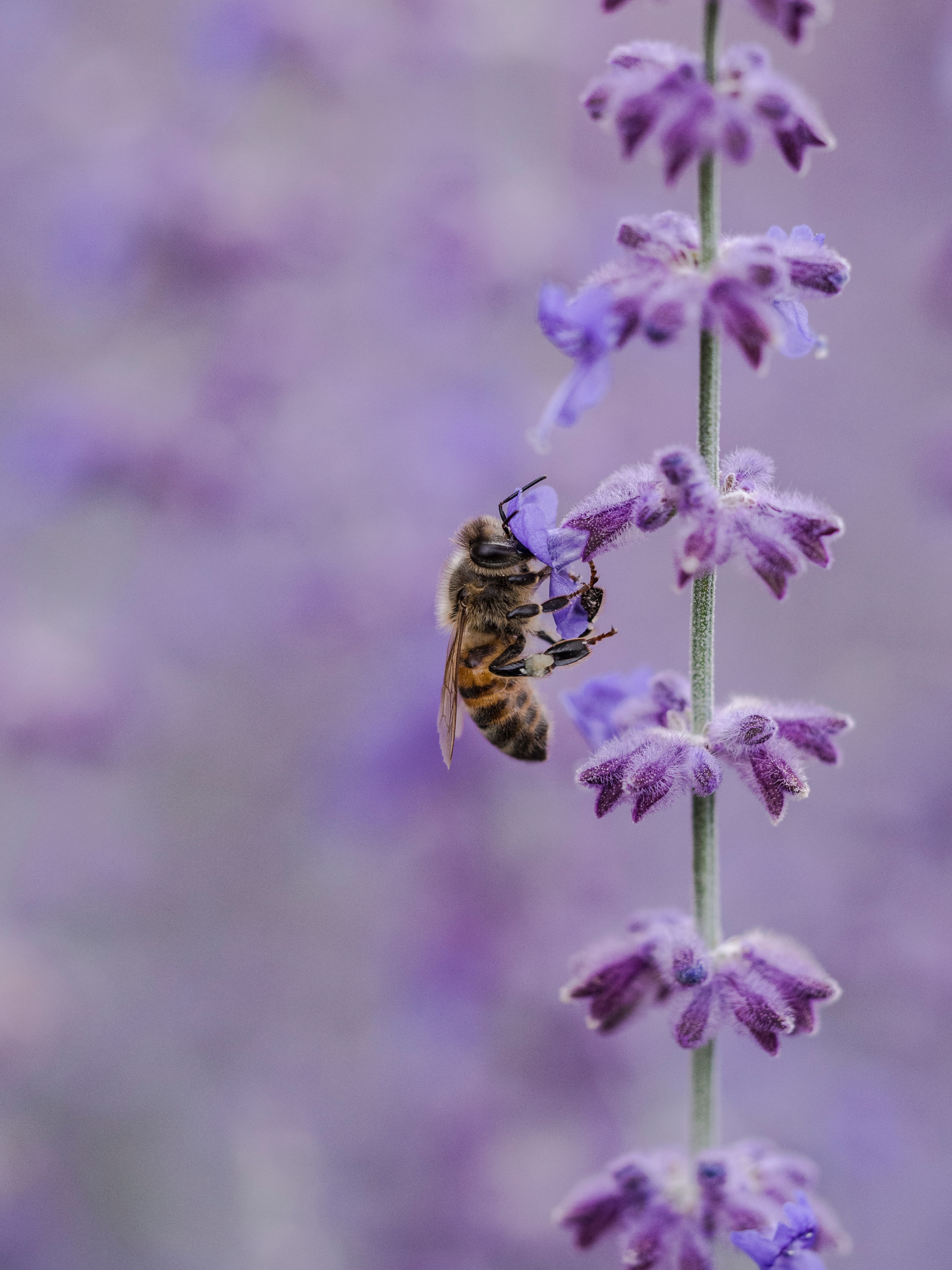
As with many problems, the answer lies in nature, where diversity wins the day. If we want to maintain our unnatural lawns, we have to start playing
by nature’s rules. We can start to do this by disrupting the monoculture of the traditional lawn with flowering plants, creating miniature oases in the lawn by seeding dutch white clover, self heal, creeping thyme, and other mowable flowering plants.
Recently, I was with a friend who was trying to photograph bees on a patch of clover. We were in a lawn next to a native plant buffer near a pond, and there were absolutely no bees in the weed-free lawn. We saw a few bees in the clover, and dozens in the native plants.
This tells us several things:
- Bees don’t like/can’t use monoculture lawns.
- Bees will use clover if there is no other food source.
- Bees LOVE native plants and prefer them over any kind of lawn.
- The best solution to our bee decline problem is less traditional lawn, more varieties of flowering plants, and heavy emphasis on native plants.
 For further evidence, we need look no further than the endangered species of bumble bees, such as the Rusty Patch Bumble Bee. This beauty used to
inhabit the entire eastern United States, but has lost 90% of its population due to many issues including: habitat loss and degradation, extensive pesticide usage, and climate change. Because of obstacles like these, the Rusty Patch Bumble Bee now inhabits a mere 1% of the land it used to.
We absolutely need to create bee lawns and shrink the size of our lawns by planting pollinator gardens with a diversity of native plants and grasses. Bees are the canary in the coal mine. If bees are in danger, we are next.

Leave A Comment
You must be logged in to post a comment.