
Our yards experience stress every summer when the temperatures and winds start to increase – and this year is worse than most. Fox 9 News reports that the Twin Cities is experiencing its driest period on record for mid-May to mid-June with approximately ¼ inch of rain during the period. This is over 4 inches below the average of nearly 4.5 inches of rain during these weeks.
Tips for Watering and Maintaining Lawns During Drought
Our friends at the U of M Extension service warn us that about 75% of Minnesota is in a moderate drought. They offer these guidelines:
- Water an inch every 10 – 14 days*
*Organic Bob recommends and sees the best results when watering an inch per week.
- Raise your mower height and mow less often (or not at all) to minimize damage to grass already struggling with the heat and low moisture conditions.
- Treating weeds in the lawn will cause additional stress on the grass, so only spot-treat if absolutely necessary, if the weed is actively growing.
You Can Still Conserve Water
The EPA understands that people want to water their lawns, but point out how much impact it has on water supplies – especially during droughts. They’re trying to increase awareness about avoiding wasteful watering practices.
- Depending on the region, homeowners use between 30 and 70 percent of their water outdoors.
- Experts estimate that 50 percent of the water we use outdoors goes to waste from evaporation, wind, or runoff due to overwatering.
Here are some great suggestions about how to conserve water while maintaining your yards. Especially for homes with automatic sprinkler systems. They can use about 50 percent more water outdoors than those without them.
- Timing is everything: Know how much water your landscape actually needs before you set your sprinkler.
- Your local utility can offer recommendations for how much water certain plants need in your region and best times to water. Generally, it’s best to water lawns and landscapes in the early morning and evening, after the sun goes down, because significant amounts of water can be lost due to evaporation during the heat of the day.*
*Organic Bob recommends watering early in the morning. Watering in the evening sometimes can promote the growth of fungus.
- If your system uses a clock-based controller, consider upgrading to a WaterSense labeled controller that uses local weather data or monitors the moisture level of soil to determine when and how much to water, reducing waste and improving plant health. Replacing a clock-based controller with a WaterSense labeled irrigation controller can save an average home up to 15,000 gallons of water annually. Combining a smart irrigation controller and spray sprinkler bodies that have earned the WaterSense label can save water, time, and money on water and sewer bills.
- Contractors certified through a WaterSense labeled program can audit, install, or maintain home irrigation systems to ensure water isn’t wasted. Make sure you ask for credentials.
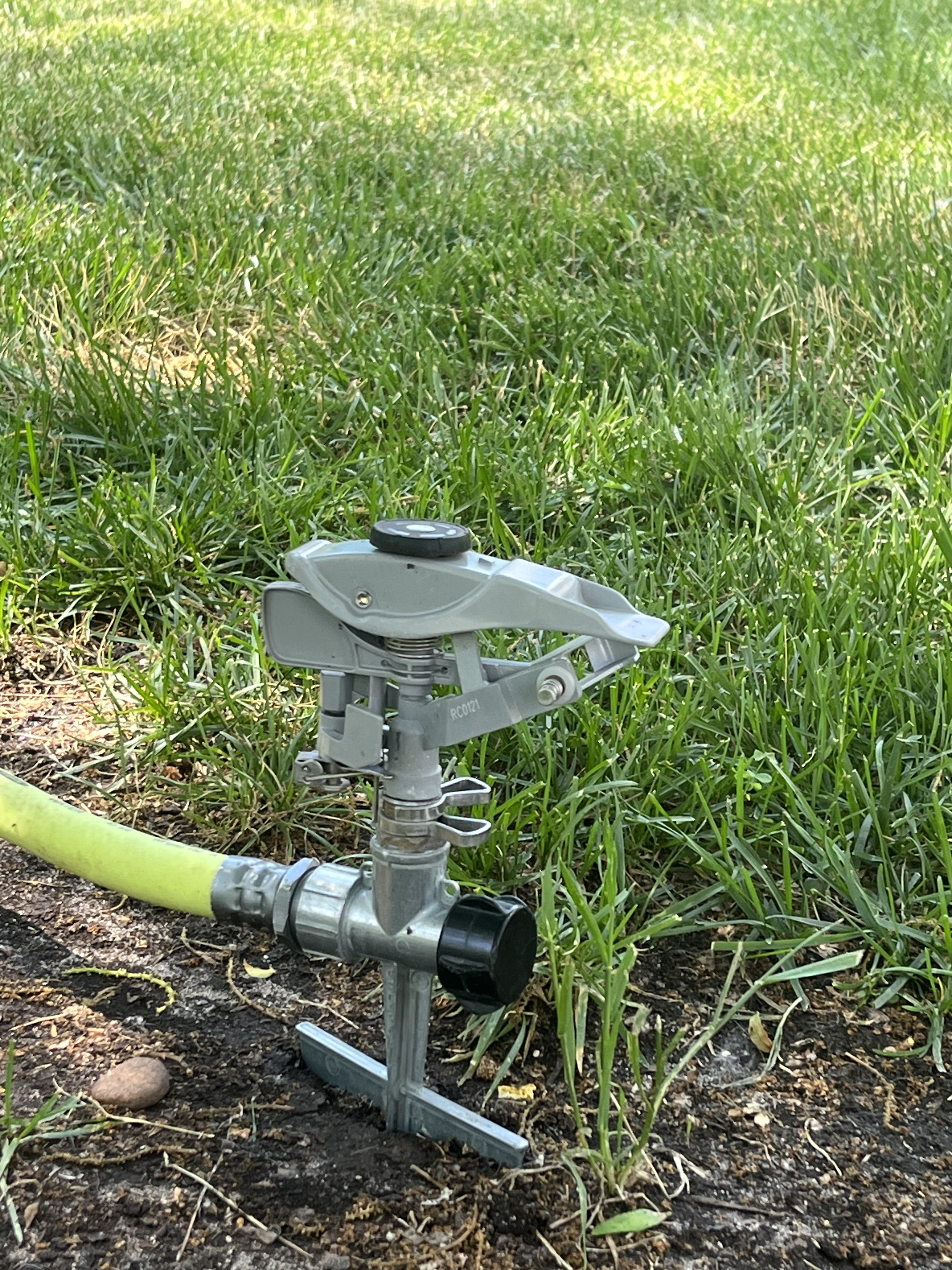
- Inspect irrigation systems and check for leaks and broken or clogged sprinkler heads. Fix sprinkler heads that are broken or spraying on the sidewalk, street, or driveway.
- When planting, assign areas of your landscape different hydrozones depending on sun/shade exposure, soil and plant types, and type of sprinklers, then adjust your irrigation system or watering schedule based on those zones’ specific needs. This helps you avoid overwatering some areas or underwatering others.
Even if your home doesn’t have a sprinkler system, there are a number of simple steps you can take to promote a healthier lawn and garden with less water this summer:
- Grass doesn’t always need water just because it’s hot out. Step on the lawn, and if the grass springs back, it doesn’t need water. An inexpensive soil moisture sensor can also show the amount of moisture at the plant’s roots and discourage overwatering.
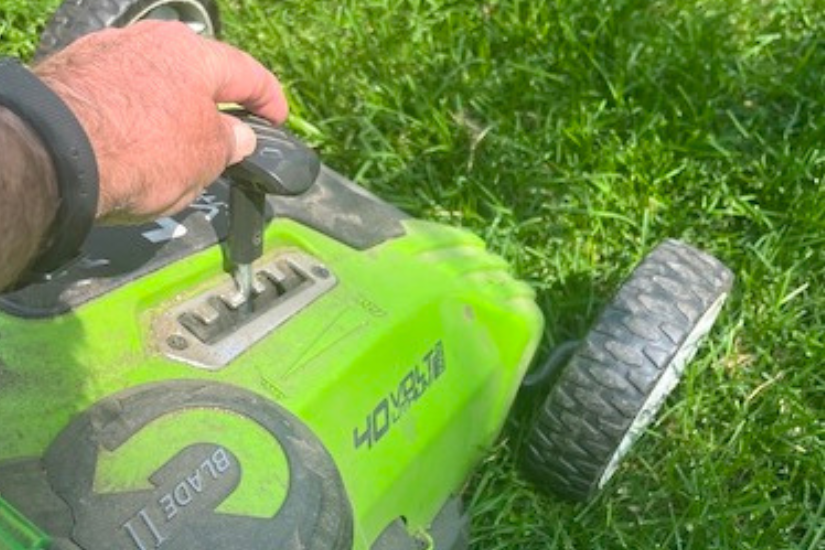
- Raise your lawn mower blade. Longer grass promotes deeper root growth, resulting in a more drought-resistant lawn, reduced evaporation, and fewer weeds.
- Sweep driveways, sidewalks, and steps rather than hosing them off. And don’t forget to check for leaks at your spigot connection and tighten as necessary.
If you would like to plan a yard that requires less watering, contact the experts at Organic Bob for more information or to request an assessment and quote to transform your lawn.
Leave A Comment
You must be logged in to post a comment.