

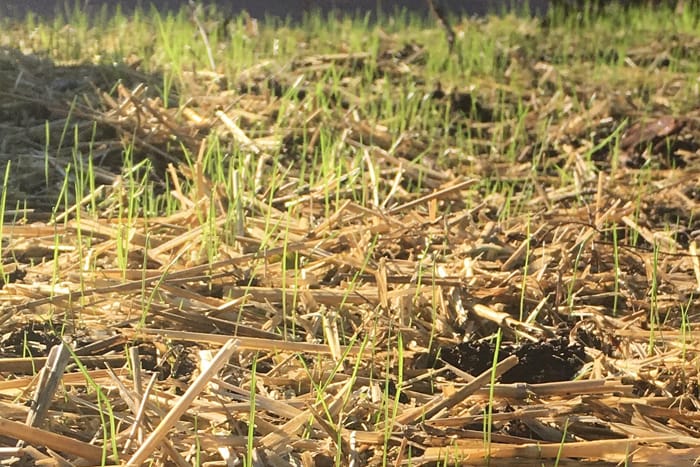
No Mow May provides more habitat for pollinators. Photo by Alex Basov @ Unsplash.com.
Two years ago, I heard about an initiative from England, called “No Mow May.” The idea is to not mow your lawn until June 1. This will encourage flowers to bloom in our lawns, thereby supporting countless bees and other pollinators with nutritious pollen and nectar. The number and diversity of bees in these unmowed areas is many times those in mowed lawns.
The ubiquitous lawn represents one of the largest losses of habitat for our bees and other pollinators. No Mow May simply provides food and habitat during a critical time in the spring.
Here are some action steps you can take to create more vital habitat for our bees and pollinators:
- Observe No Mow May on your lawn (or at least part of it) and encourage neighbors, friends and relatives to participate in No Mow May with you.
- Educate and persuade your schools, churches, cities and workplaces to go with a No Mow May.
- Keep leaves in your planting beds through May, they protect pollinators in their habitats.
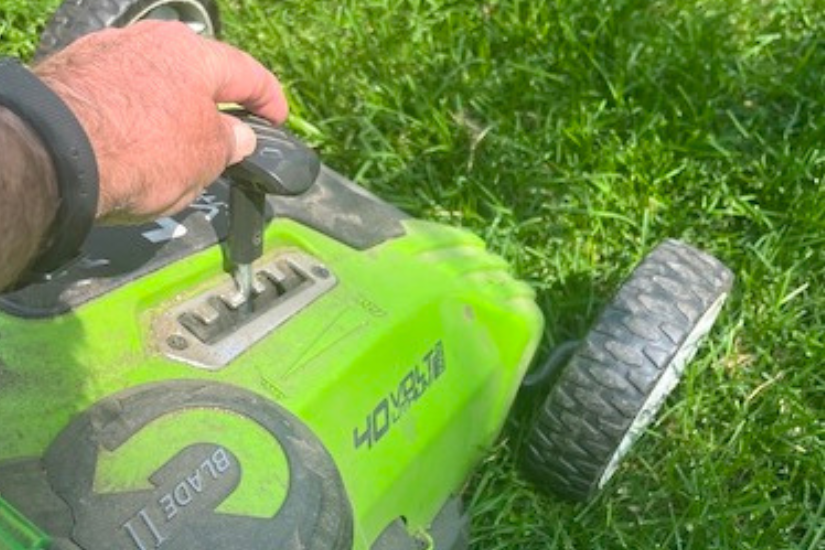
- Mow high (around 3 inches) to provide cover year round for pollinators.
(Our partner, Eco Friendly Lawn Care, provides a great lawn mowing service in the Twin Cities Metro area using non-polluting electric equipment.) - Stop using traditional lawn pesticides and other harmful chemicals. Instead, follow an organic lawn care program so pollinators aren’t sheltering in a toxic environment. Our Real Organic Program meets and exceeds industry organic standards.
- Permanently replace your lawn or a piece of it with a clover or bee lawn.
- Saving the best for last…. plant native plants. This is the best way to help pollinators. Consider planting a pollinator garden to help this valuable and vulnerable part of our ecosystem. Our OB Gardens are perfect for this purpose, especially the affordable Pollinator Pocket garden.
If you like the idea of helping bees, contact Organic Bob to learn about some different options.

Leave A Comment
You must be logged in to post a comment.